
Ipswich Motorway Upgrade - Rocklea to Darra, Stage1
Project Overview
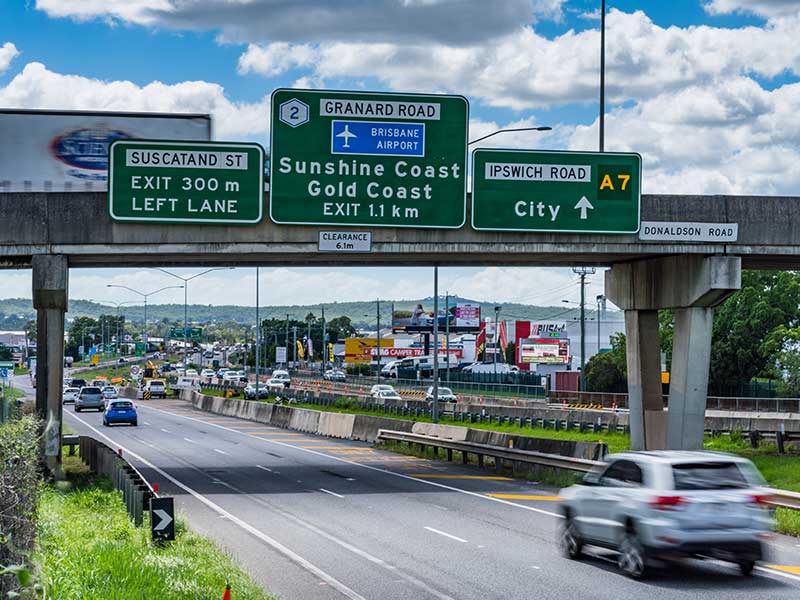
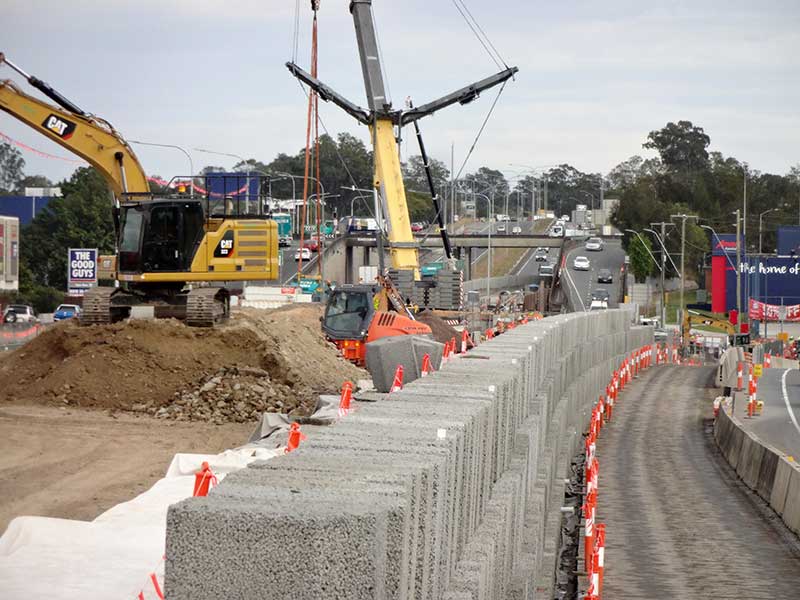
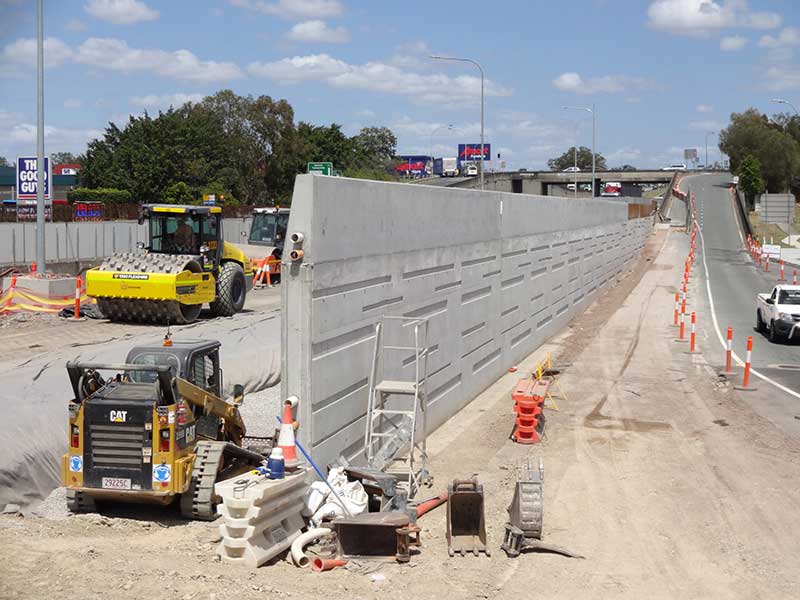
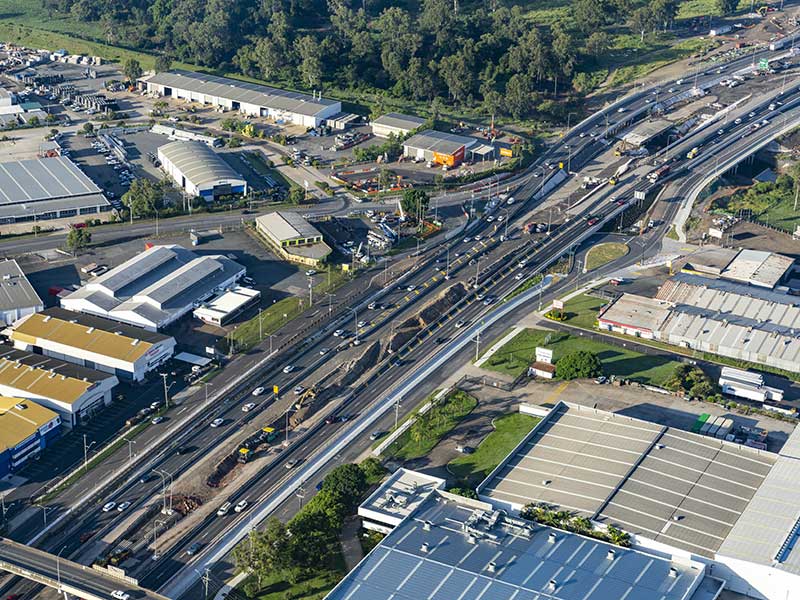
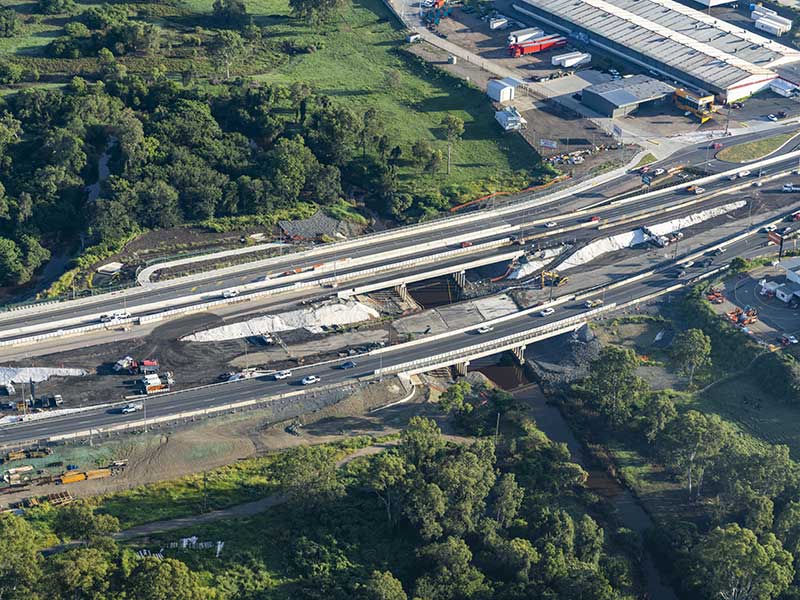
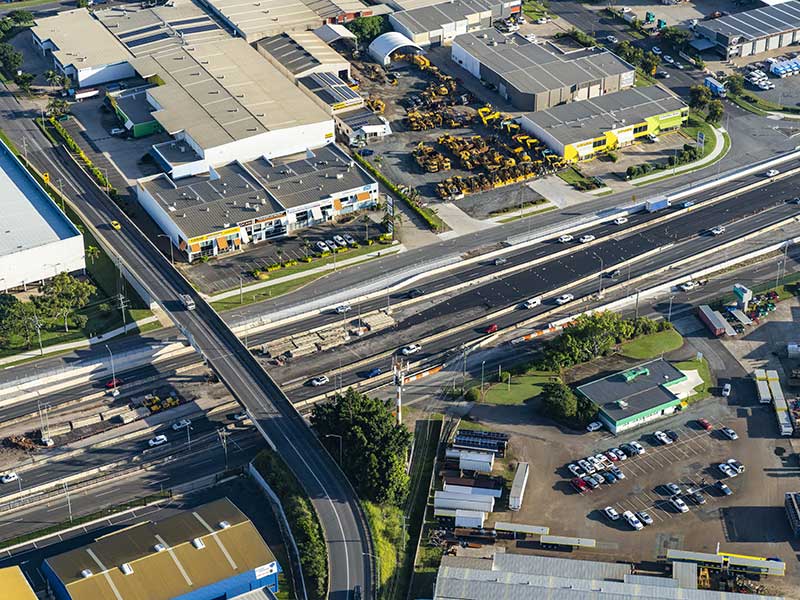
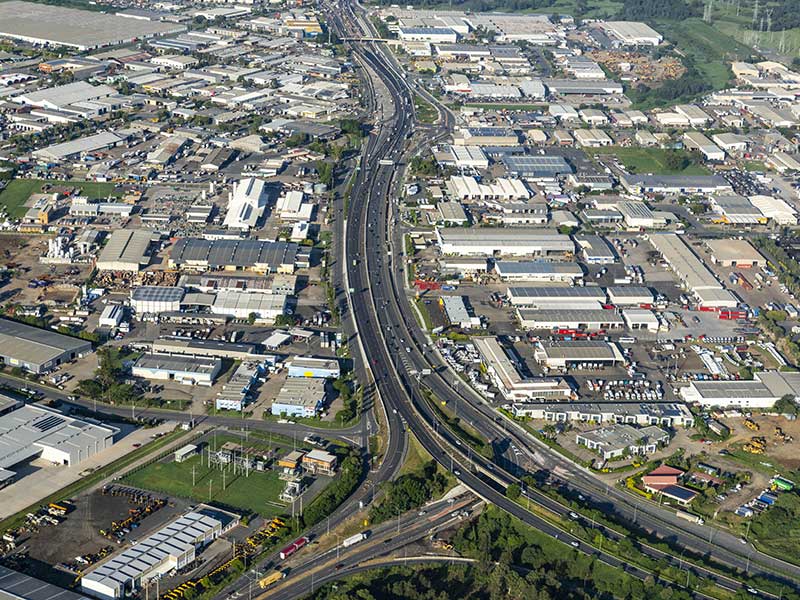
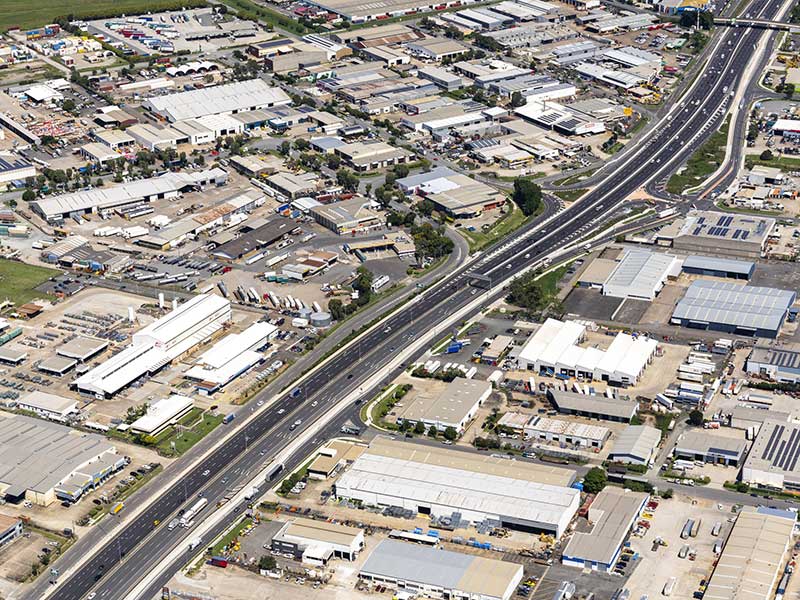
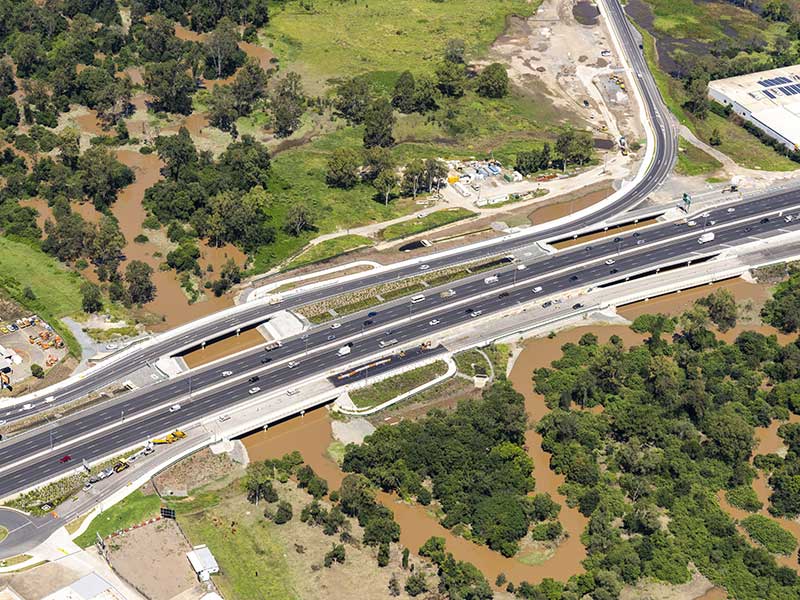
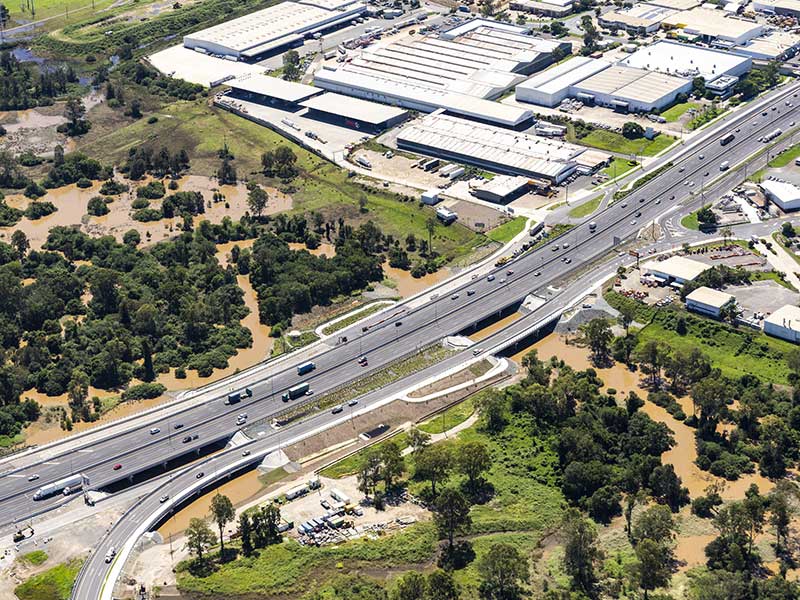
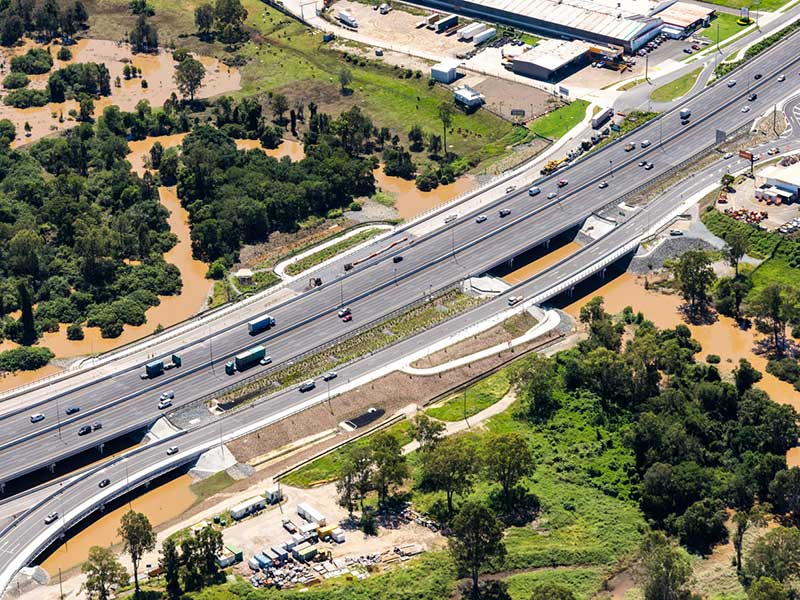
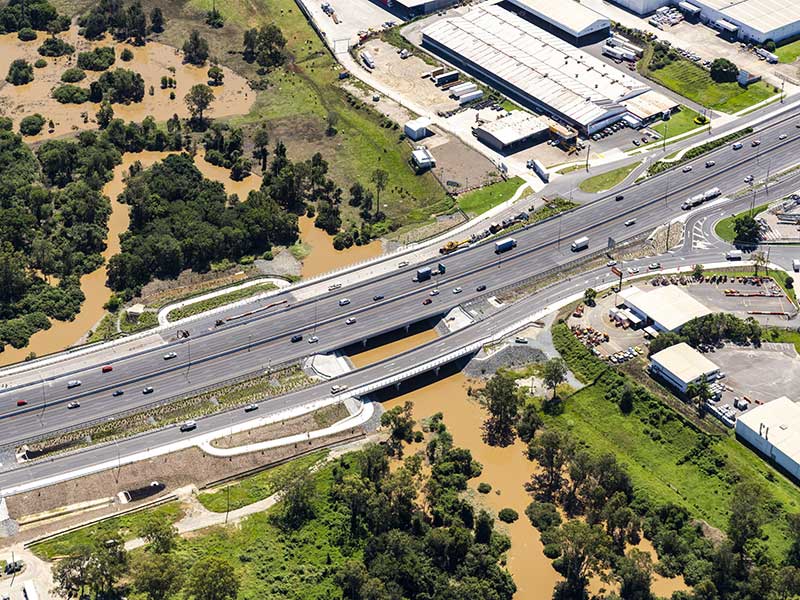
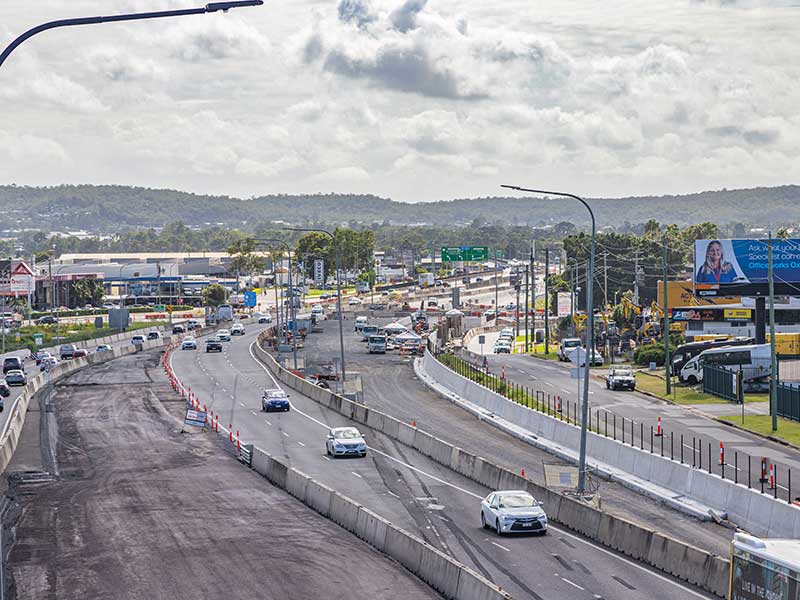
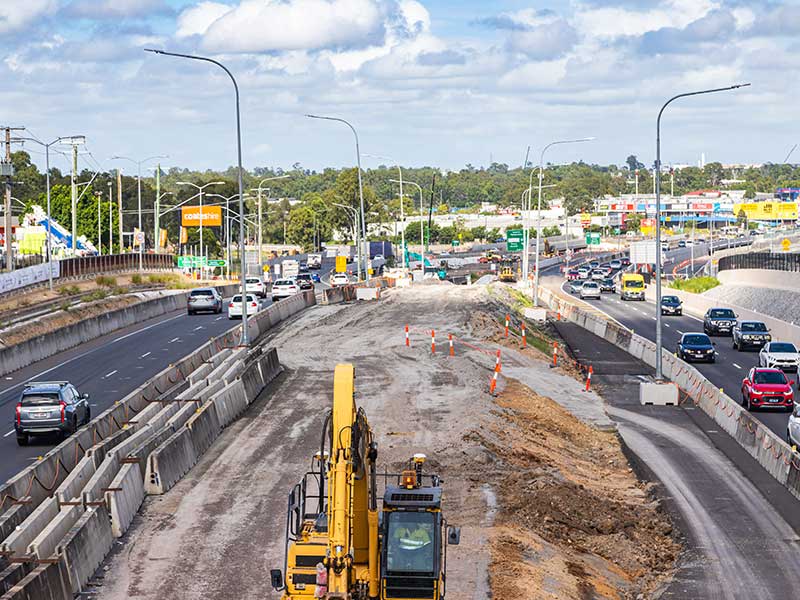
This major upgrade project involved the raising of the existing carriageways by up to 3m, an upgrade to Motorway standard of the Ipswich Motorway between Granard Road and the Oxley Roundabout, and improving the flood immunity of the Motorway – the major arterial linking Brisbane to the Cunningham Highway and the Warrego Highway.
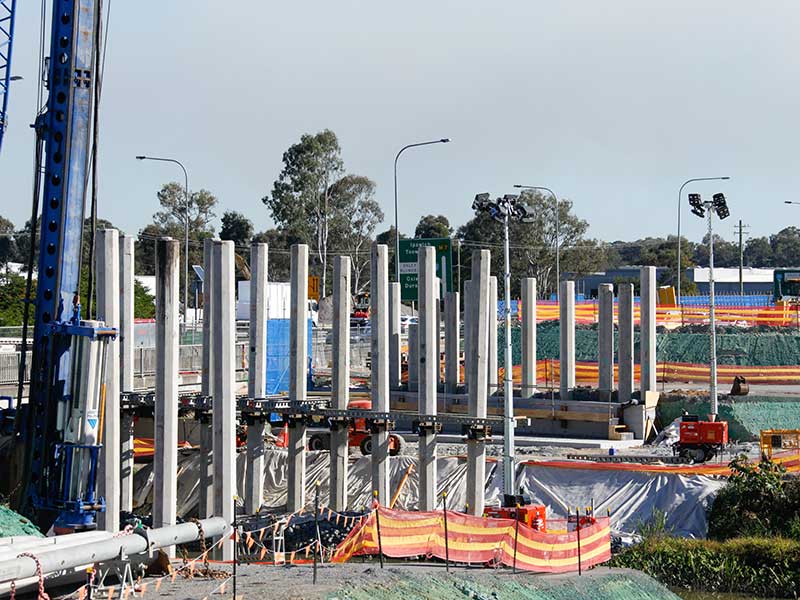
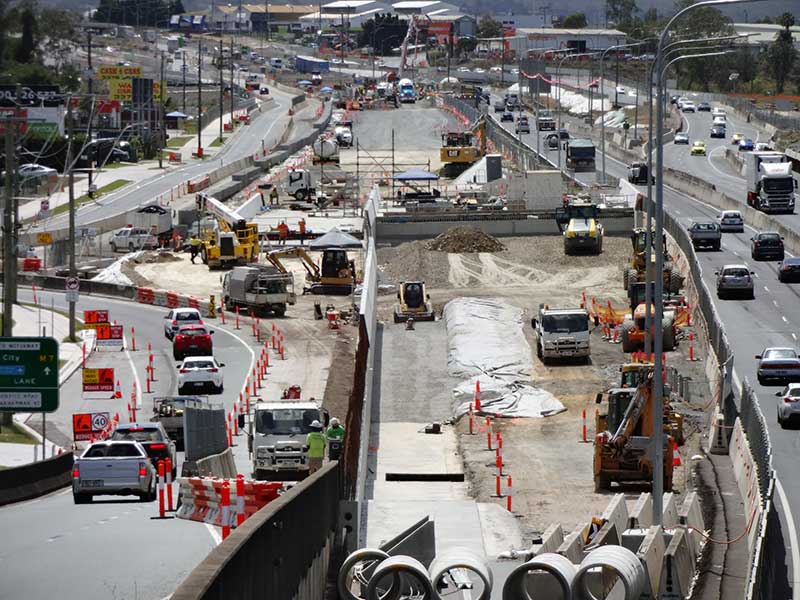
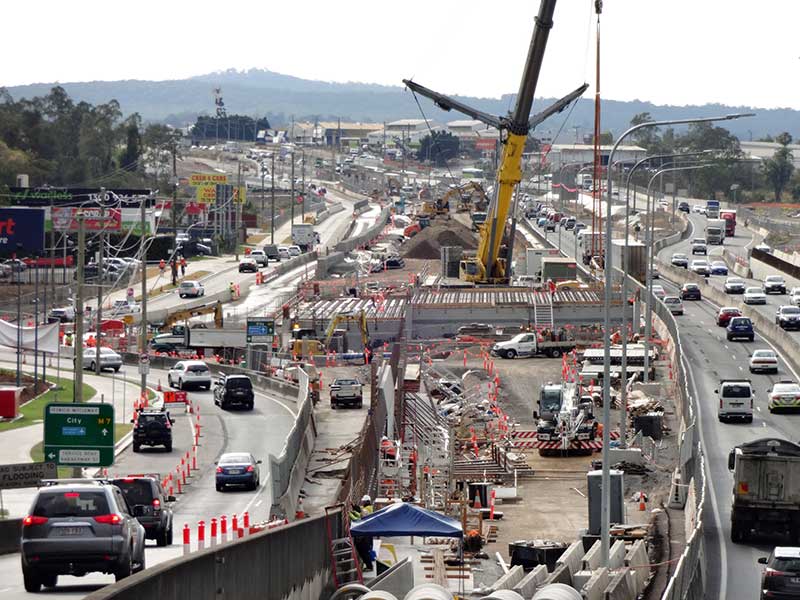
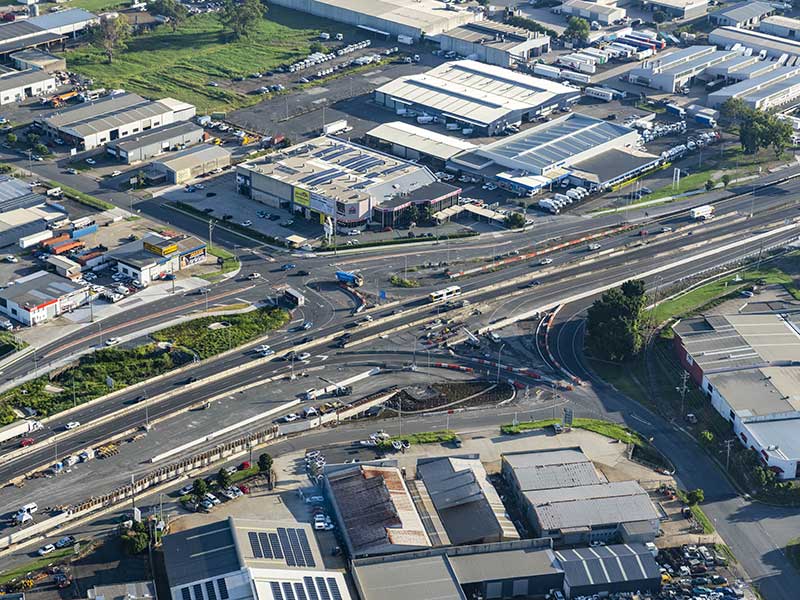
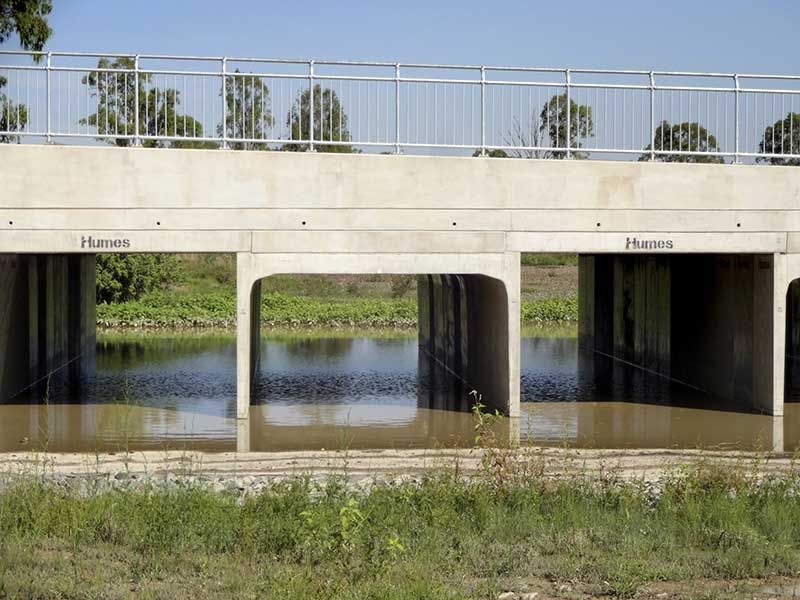
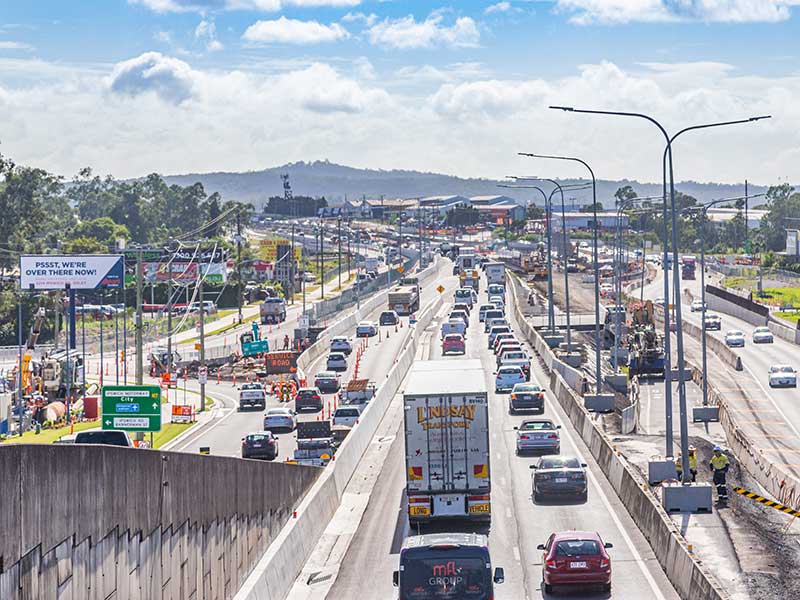
The project also includes the widening of the motorway from four to six lanes each way under heavy traffic, the provision of service roads, plus the construction of eleven bridge structures and major culverts to mitigate any flood impacts in the future. It also includes northern and southern service roads, retrofit of Managed Motorway and ITS capabilities between the Oxley Roundabout and Centenary Motorway and upgrade of the Factory Boundary Intersection and Reedy Road on ramp.
As a TMR directed scope change (as our R2D price was under TMR’s original budget), the team also constructed the Boundary Road Connection and upgrade of the Boundary Road / Blunder Road intersection. This provides three lanes now, with the capability of 4 lanes, and rationalisation of the existing on and off ramps in the area to improve traffic flows in the morning and afternoon peaks. It will also enable the removal of local trips from the Motorway onto the new service roads.
Principal: TMR
Principal’s Contact: Graham Kerr
Project Manager: Andrew Howgate (Bielby)
Design Interface Manager: Graham Hull
Construction Manager: Warwick Spackman
Structures Manager: James Carden
Project Manager: Dave Prouten, Gerard Ryan, Ron Kleinert, Greg Green, Eamonn Dolan
Date Started: Aug 2016
Date Completed: Mar 21
Contact Value: $240,000,000
Project Scope
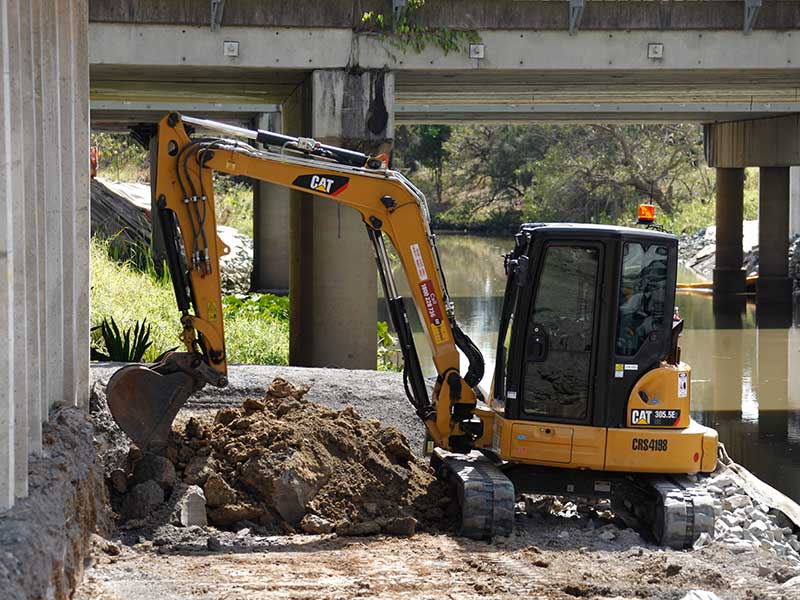
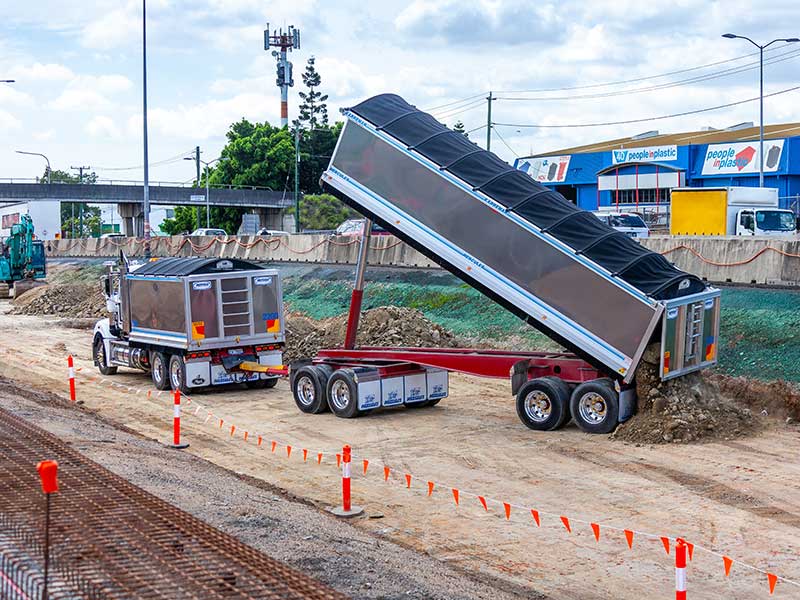
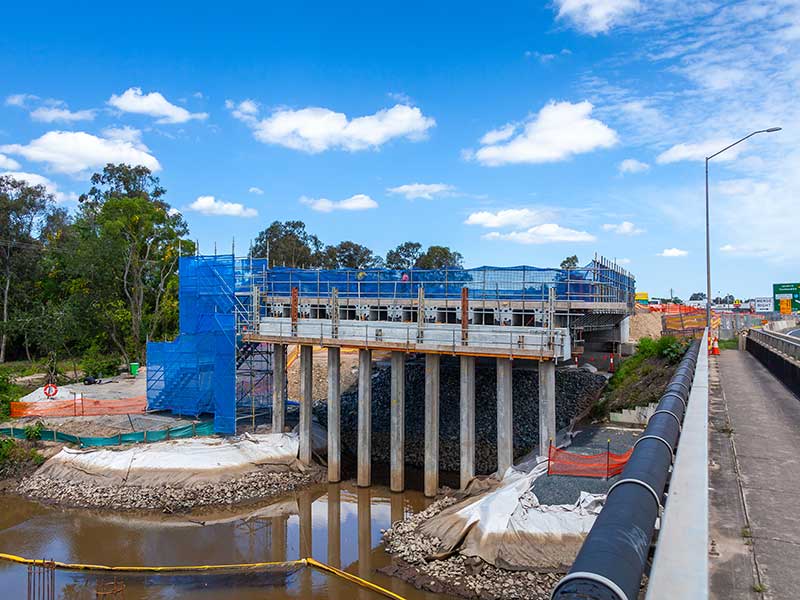
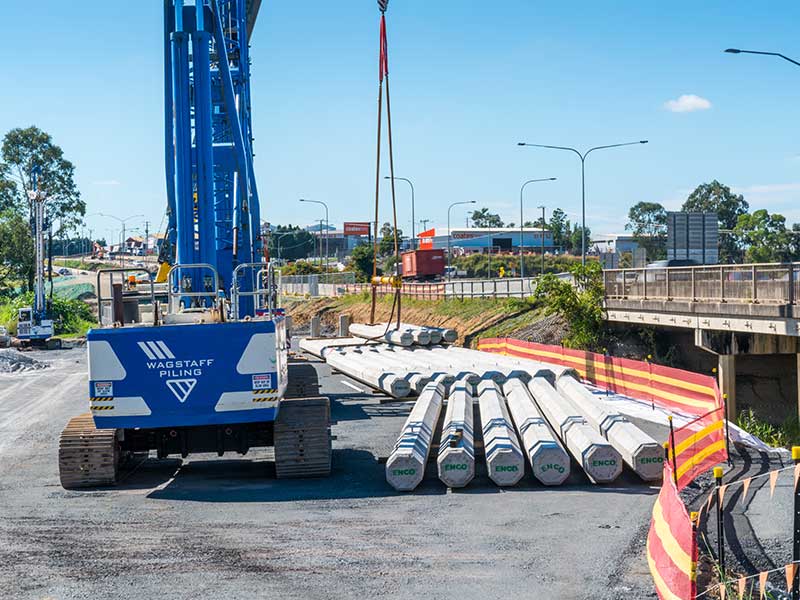
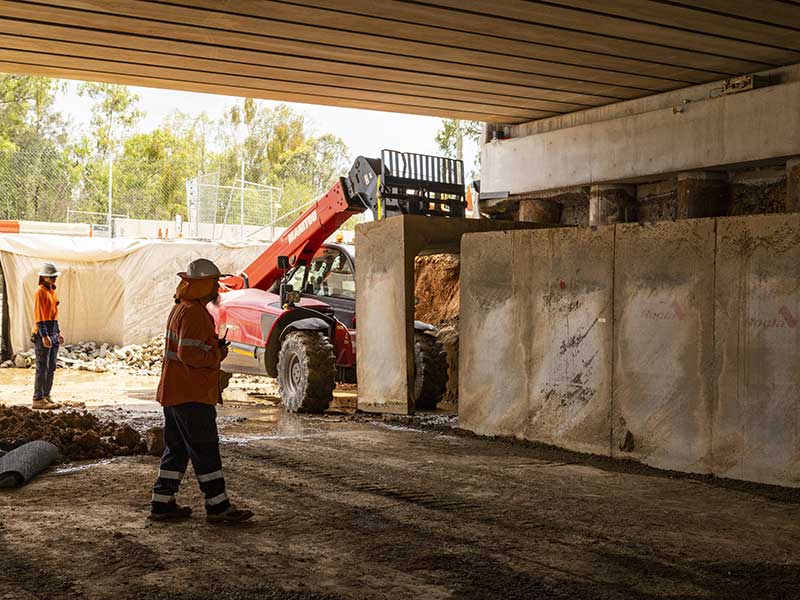
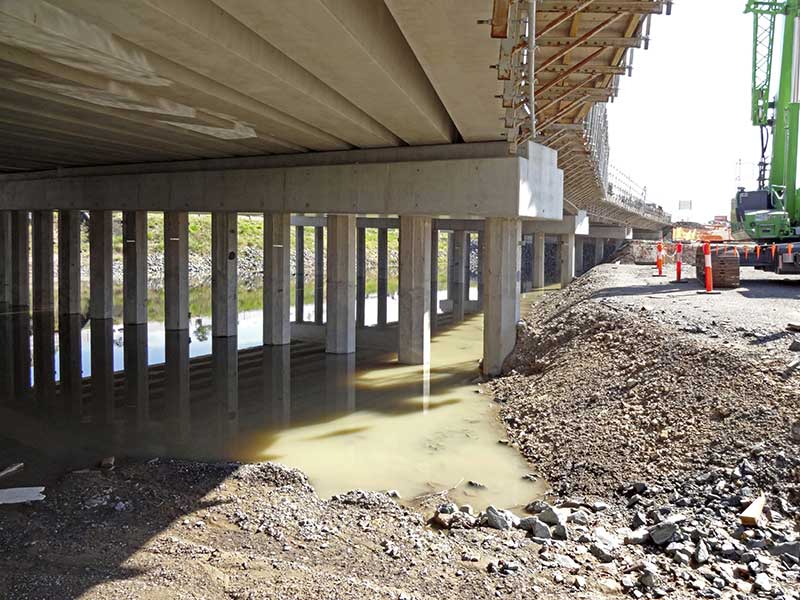
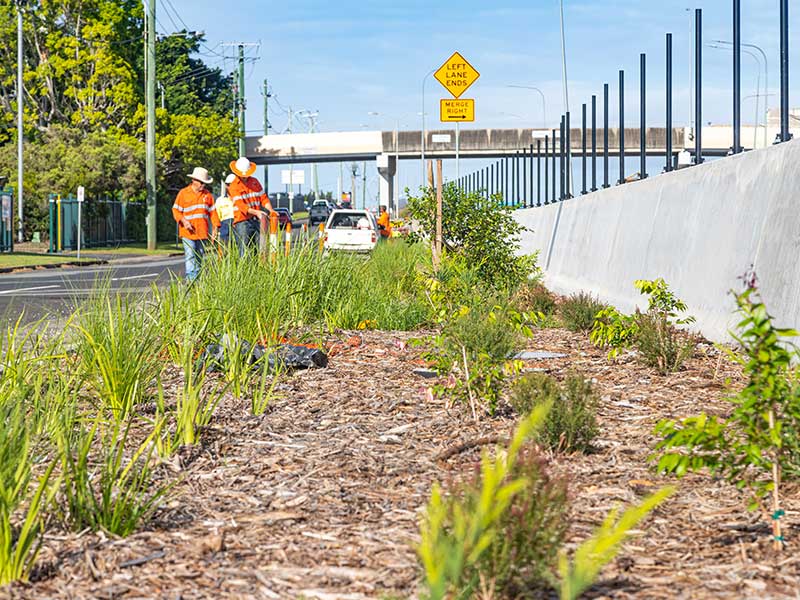
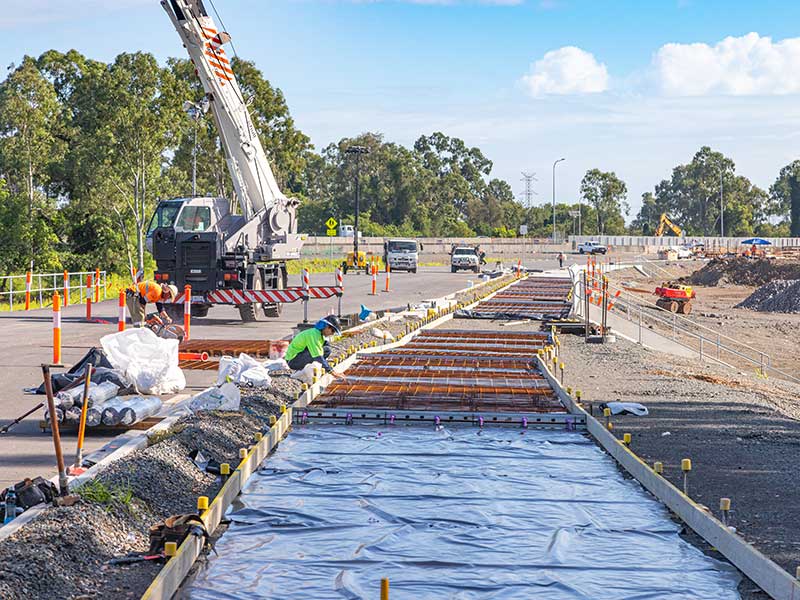
The project involved 3km of motorway widening and raising of roads and bridges to alleviate regular flooding during wet weather events, 11 new bridge structures were constructed, including four bridges constructed and existing bridges demolished over sensitive environmental creeks / waterways.
Project Outcomes and Performance
Timeliness
Work completed in line with the agreed contractual program, with all lanes of traffic operational in February 2021. Multiple stretch target milestones were agreed with the Project Team (TMR included) through the delivery phase and all were achieved, resulting in stakeholder confidence that the project would be delivered as promised.
Safety Management
Collaboration with the Client, stakeholders and subcontractors enabled to project to be completed with over ##### manhours worked and 50 million vehicles travelling through site without major incident.
Environment Management
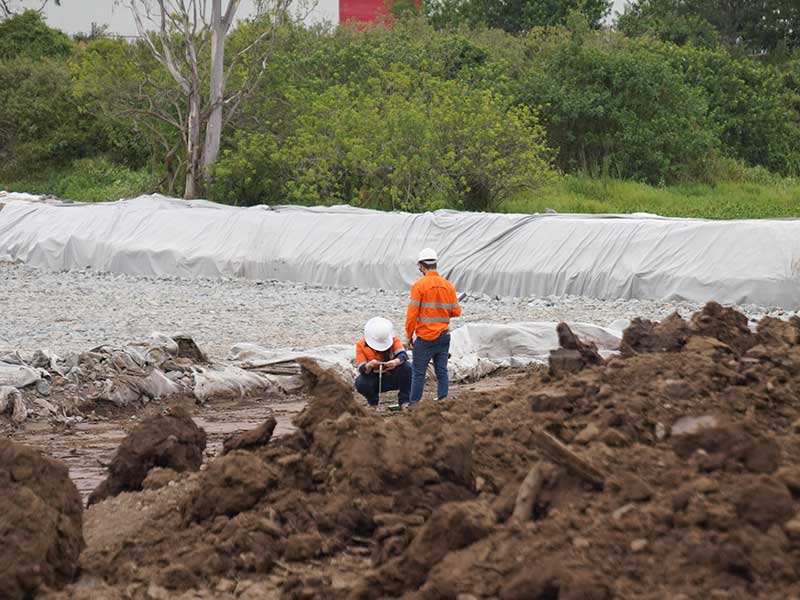
Located in an environmentally sensitive, flood-prone and tidal area, works include eleven bridges across Oxley Creek, Oxley Overflow and Little Doris Creek. These were delivered in 6 stages and required sensitive environmental practices to ensure no negative impacts on the creek systems and Oxley Creek fish passage. This included a detailed flood analysis, early application for environmental permits and a program where bunds around Little Doris Creek were released every 28 days to flush the creek and let any fish out.
Public Relations
Ongoing communications with all stakeholders has been a key feature of JF Hull’s approach to ensure minimised impacts to road users, adjacent businesses and residents in the area. This included instigating a split shift where piles were pitched in the early morning hours to limit piling noise, and then drove from 7am. This also removed any lane closures during daylight hours for the local community during peak times.
Traffic Management
Throughout project delivery, JF Hull maintained two trafficable lanes each way, while carrying up to 90,000 vehicles per day (vpd) (including heavy freight, wide loads, 1,300 bus movements, local residents, travelling public, pedestrians and cyclists) and maintaining access to local businesses along the route. The team held regular interface meetings Brisbane City Council (BCC), heavy freight operators, local environment / cyclist groups, adjacent businesses and local residents to ensure a detailed understanding of upcoming work existed. In excess of 1,000 site specific, short term TGS’s were developed and over 30 long term TGS’s without any increase in traffic incidents.